
SAPO today operates mainly as a large Portuguese content and services portal. Its built-in “web search” is powered by Google, which means there is no longer a separate, public SAPO-specific SEO rulebook like the one that existed when SAPO ran ...
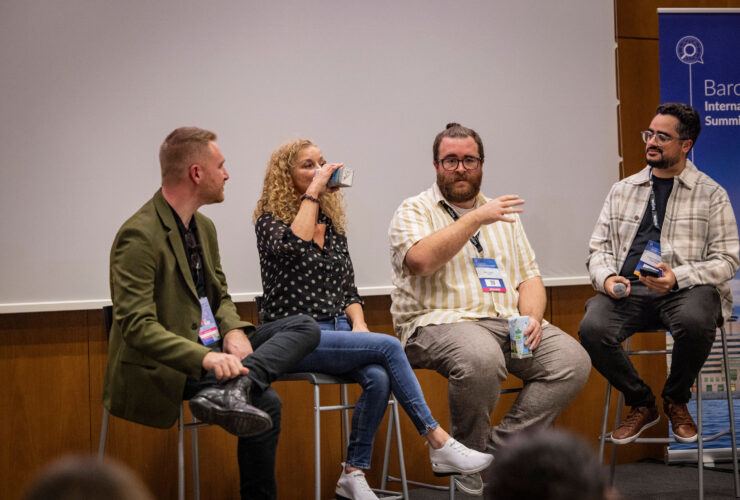
When people talk about AI search visibility, they often imagine a single moment where a brand is either shown or not shown. In reality, visibility in AI-led systems is spread across several surfaces, many of which do not look like ...
Cốc Cốc SEO in 2026 is about owning Vietnamese language intent, mobile local journeys, and short task focused content within a still Google dominated but uniquely local search landscape. Local Vietnamese language first indexing Cốc Cốc runs its own crawler ...

Naver SEO in 2026 revolves around AI led trust evaluation, intent first ranking, and deep integration into Naver’s closed ecosystem rather than classic keyword-focused tactics. Next N Search and AI Briefing reshape the SERP Naver is rolling out Next N ...

Yandex has fully leaned into AI assisted answers, deeper semantic parsing, and behaviour driven ranking. Keyword density and backlink hacks are relics. What matters now is whether your content satisfies real user intent, fits Yandex’s internal graph, and earns its ...

If you’re still doing Baidu SEO like you were 3-4 years ago, you’re already behind. AI-native search, stricter quality filters, and a growing ecosystem bias are changing the rules. The old playbook of keyword targeting and link building doesn’t cut ...
January 2026 brought a steady stream of developments from the “other” major search ecosystems beyond Google, spanning Russia, Korea, Vietnam, and China. This roundup walks through the key moves and signals from Yandex, Naver, CocCoc, and Baidu, focusing on what ...
